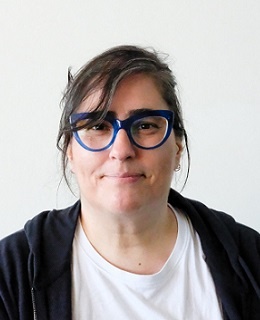
Almudena Daehin
SCRM – Lidl International Hub, SpainAlmudena Vivanco is a seasoned performance engineer with over 20 years of experience in high-traffic systems. Currently, she serves as Principal Performance Engineer at SCRM – Lidl International Hub in Barcelona. Known for her expertise in chaos engineering, she has delivered talks and workshops at various conferences, including PulpoCon and DevOpsCon. Beyond her professional endeavours, Almudena organizes WebPerf BCN and is an active member of the WOPR (Workshop on Performance and Reliability) community. Her passion for mathematics and science, combined with her dynamic approach to system resilience, makes her a prominent figure in the DevOps and performance engineering communities.
The One Where Sustainability Crashed the Sprint Planning
For years, software teams have carefully balanced performance, reliability, security, and cost. Then Generative AI showed up and invited another guest to the meeting: sustainability.
As organizations race to adopt AI-powered solutions, the energy demands of modern cloud infrastructure are growing at an unprecedented pace. Training and running large language models now requires enormous computational resources, creating a hidden challenge for engineering teams: how do we continue to innovate without overwhelming our budgets, our infrastructure, or the planet?
In this keynote, we'll explore the surprising intersection between Quality Engineering, Performance Engineering, and Sustainable Software Development. Through real-world examples, we'll uncover the environmental impact of AI workloads, examine why energy consumption should be treated as a quality metric, and discuss practical strategies for building systems that are both performant and responsible.
You'll learn how green coding practices, sustainable architectures, and energy-efficient engineering decisions can reduce operational costs while supporting corporate sustainability goals. More importantly, you'll discover why sustainability is no longer a concern reserved for executives and ESG report...
it's becoming part of every engineering team's Definition of Done.
Because sooner or later, sustainability will join your sprint planning. The only question is whether it arrives as a strategic initiative or as your next cloud bill.
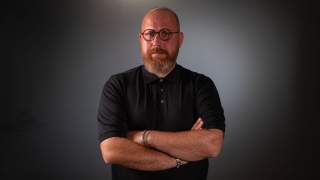
Barış Sarıalioğlu
TesterYou, TurkeyBarış Sarıalioğlu is a software engineer, digital transformation consultant, author, and international keynote speaker with more than 24 years of experience in software development, quality engineering, agility, product management, and artificial intelligence. He has led global teams and transformation initiatives across industries including banking, telecommunications, automotive, defense, aviation, insurance, and e-commerce. As the Managing Partner of TesterYou, Barış helps organizations bridge technology, business, and human-centered innovation. He has delivered keynote speeches and workshops in more than 50 countries and is a member of the ISTQB General Assembly, actively contributing to the advancement of the global software testing profession. His work combines engineering, science, art, and emerging technologies to challenge conventional thinking about quality, innovation, and the future of software.
Why Software Testing Keeps Solving Problems Nobody Really Has
For decades, software testing has focused on finding defects, increasing coverage, and improving efficiency. Yet despite better tools, smarter automation, and increasingly sophisticated engineering practices, many quality problems remain stubbornly unsolved. Perhaps the issue is not that we fail to find the right answers—but that we often begin by asking the wrong questions. Too frequently, we optimize metrics instead of outcomes, validate assumptions instead of challenging them, and invest enormous effort solving problems that were never the real problem in the first place.
This keynote explores what software testing can learn from philosophy, psychology, and science to rethink the way we approach quality. Drawing inspiration from thinkers such as Karl Popper, Daniel Kahneman, Leonardo da Vinci, and Russell Ackoff, we will examine how critical thinking, cognitive biases, observation, and problem framing shape the effectiveness of testing far more than any tool or methodology. Rather than introducing another testing framework, this session offers a different perspective: the future of software quality belongs not to those who find more defects, but to those who define better problems before anyone starts searching for solutions.